


The role of the CEO is changing faster than ever before. In the past, a CEO was primarily responsible for setting business goals, managing operations, and ensuring profitability. While those responsibilities still exist, the demands of modern leadership have expanded significantly.
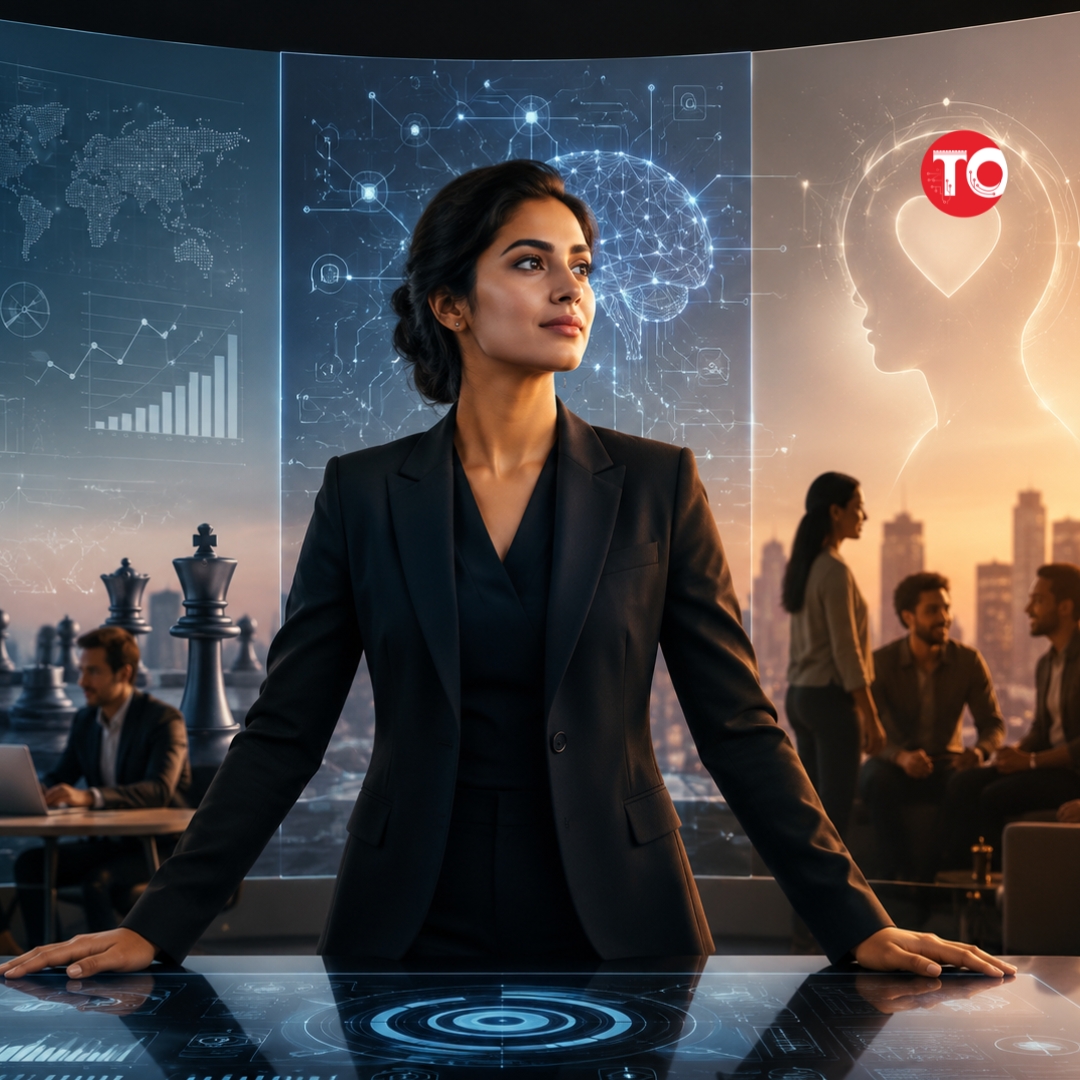
Today’s business environment is shaped by rapid technological advances, changing customer expectations, global competition, and evolving workplace cultures. As a result, the future CEO must wear many hats. They must be a strategist, a technologist, and a human psychologist all at the same time.
The CEO as a Strategist
Strategy remains the foundation of effective leadership. A CEO must have a clear vision of where the organization is headed and how it will get there. However, strategy today is not just about long-term planning. It is about being flexible and adapting quickly to change.
Markets can shift overnight. New competitors can emerge from unexpected places. Consumer preferences can change rapidly. The future CEO must constantly analyze trends, identify opportunities, and prepare for challenges before they arise.
Strategic leaders do not simply react to change; they anticipate it. They create organizations that are agile, innovative, and prepared for the future.
The CEO as a Technologist
Technology is no longer the responsibility of the IT department alone. It has become a core business function. Artificial intelligence, automation, data analytics, cybersecurity, and digital transformation are influencing every industry.
The future CEO does not need to be a software engineer, but they must understand how technology impacts business performance. They need to know how to leverage technology to improve efficiency, enhance customer experiences, and create new revenue streams.
Leaders who ignore technology risk falling behind. Those who embrace it can unlock new possibilities for growth and innovation.
Technology also helps organizations make better decisions. With access to real-time data and advanced analytics, CEOs can gain deeper insights into customer behavior, market trends, and operational performance.
The CEO as a Human Psychologist
Perhaps the most important skill of future leaders will be understanding people.
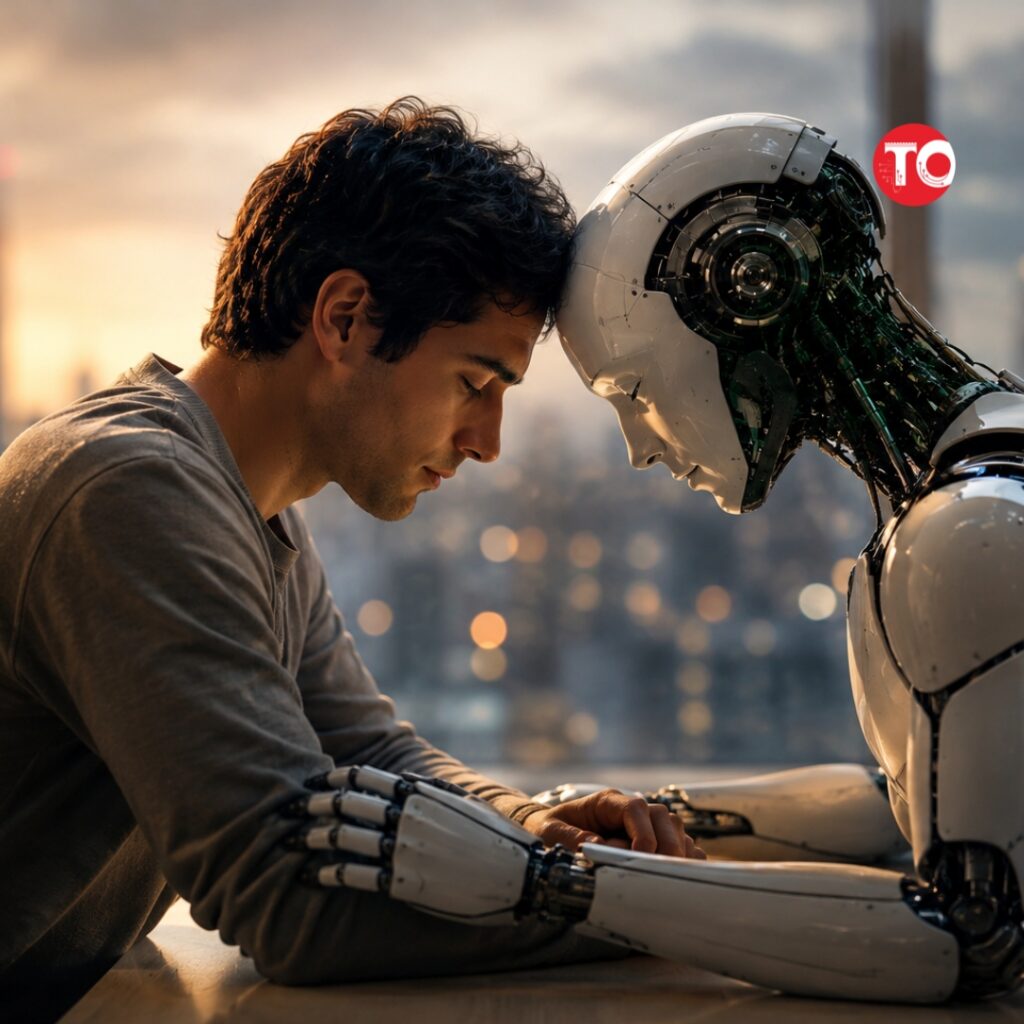
Technology can automate tasks, but it cannot replace human connection, empathy, and emotional intelligence. Employees today seek more than just a paycheck. They want purpose, belonging, flexibility, and opportunities for growth.
The future CEO must understand what motivates people. They need to build trust, inspire teams, and create cultures where individuals feel valued and empowered.
Great leaders recognize that every employee is different. Some need encouragement, while others thrive on challenges. Understanding human behavior allows CEOs to bring out the best in their teams.
This psychological understanding is equally important when dealing with customers, partners, and stakeholders. Businesses that understand human needs and emotions are often the ones that build lasting relationships and strong brands.
Balancing Technology and Humanity
One of the greatest challenges facing future CEOs will be balancing technological advancement with human values.
As artificial intelligence becomes more powerful, organizations must ensure that innovation remains ethical and responsible. Decisions should not be driven solely by data and algorithms. Human judgment, empathy, and ethics must continue to guide leadership.
Employees want leaders who understand both business realities and human concerns. Customers want companies that are innovative yet trustworthy. Investors want growth, but they also value sustainable and responsible leadership.
The CEO of the future must successfully balance all these expectations.
Building the Next Generation of Leaders
Organizations must begin preparing future leaders today. Leadership development can no longer focus only on financial knowledge and operational skills.
Future CEOs need training in strategic thinking, digital literacy, emotional intelligence, communication, and change management. They must learn how to lead diverse teams, manage uncertainty, and navigate increasingly complex environments.
The leaders who thrive will be lifelong learners who continuously adapt to new challenges and opportunities.
The future CEO will be far more than a traditional executive. They will be a strategist who sees around corners, a technologist who understands innovation, and a human psychologist who connects deeply with people.
Success in the coming decades will not belong to leaders who excel in only one of these areas. It will belong to those who can combine all three.
In a world driven by both technology and human relationships, the most effective CEOs will be those who can think strategically, embrace innovation, and lead with empathy. They will not simply manage organizations they will shape the future.