




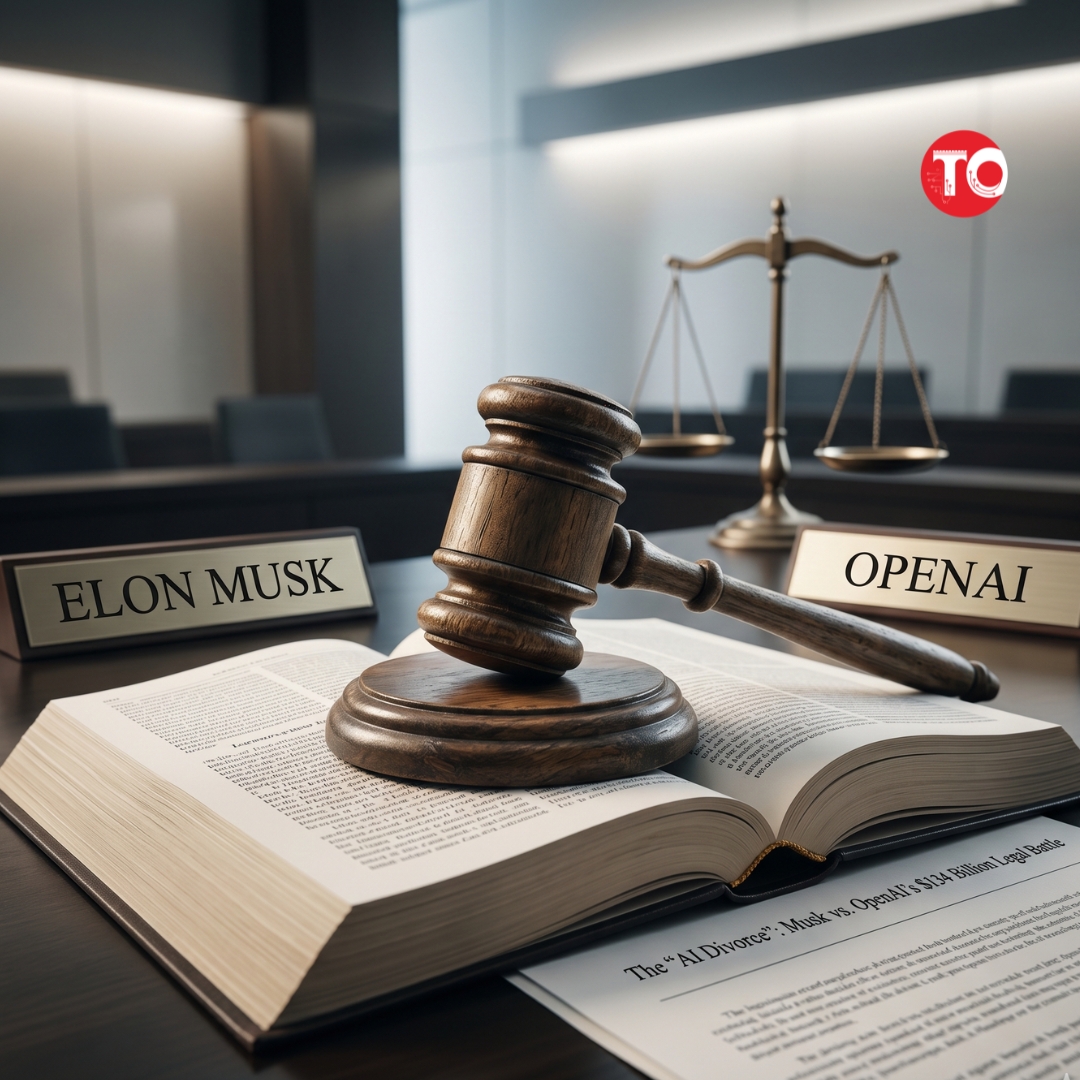
What is being called the most expensive and consequential "divorce" in the history of Silicon Valley is heading to federal court. Elon Musk is suing Sam Altman and OpenAI for a staggering $134 billion, alleging fraud and unjust enrichment. With jury selection beginning this Monday, the trial marks the climax of a years-long feud between the world’s wealthiest man and the leader of the generative AI revolution.
The Core Conflict: Mission vs. Money
At the heart of the lawsuit is the fundamental identity of OpenAI. Musk, who co-founded the organization in 2015, argues that he was promised it would remain a non-profit dedicated to developing Artificial General Intelligence (AGI) for the benefit of humanity.
- Musk’s Stance: He claims he was "defrauded" into donating roughly $38 million under the guise of a humanitarian mission, only to see the company pivot to a for-profit structure and form a multi-billion dollar partnership with Microsoft.
- Altman’s Stance: The defense argues that Musk was fully aware of the need for massive capital to compete with Google and supported the transition before his departure in 2018.
The Stakes: IPOs and Corporate Survival
The outcome of this trial will reshape the global tech landscape and determine the fate of two potential "decacorns."
| If Musk Wins | If Musk Loses |
| For-Profit Unwound: OpenAI's corporate structure could be dismantled, returning it to non-profit status. | Historic IPO: OpenAI is expected to go public this year, potentially rivaling SpaceX for the title of the largest IPO in history. |
| Leadership Ousted: Sam Altman and Greg Brockman could be removed from their positions. | Microsoft Synergy: The partnership with Microsoft would likely solidify, further integrating GPT models into global enterprise. |
| Microsoft Impact: The $10B+ investment from Microsoft could be thrown into legal limbo. | Market Dominance: OpenAI would be free to pursue maximum valuation as a commercial juggernaut. |
A Clash of Titans
The trial is more than just a financial dispute; it is a battle over the governance of AGI. Musk contends that OpenAI has become a "closed-source" subsidiary of Microsoft, while Altman maintains that the for-profit shift was the only way to fund the massive compute power required for the AI breakthrough.
As the tech world watches the proceedings in federal court, the verdict will decide whether the future of AI belongs to a decentralized non-profit ideal or to the massive capital of public markets.