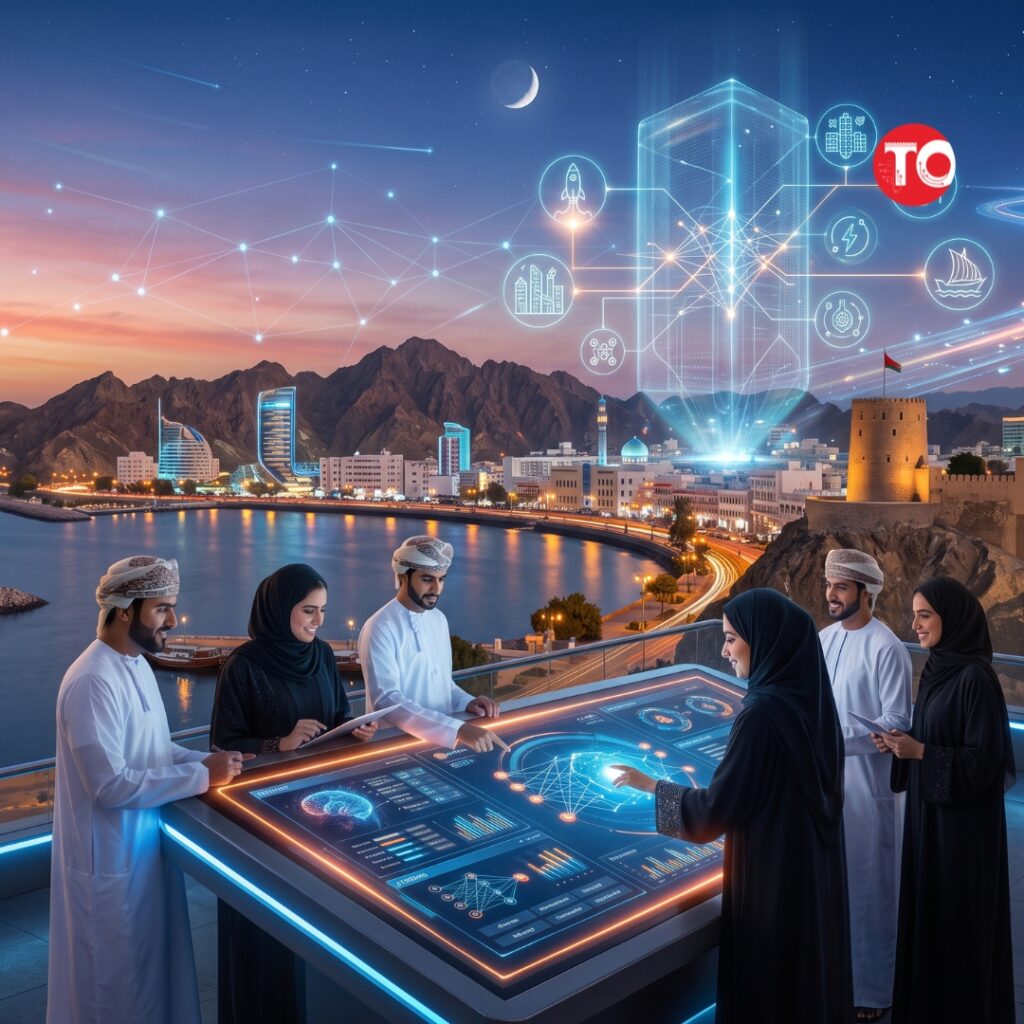




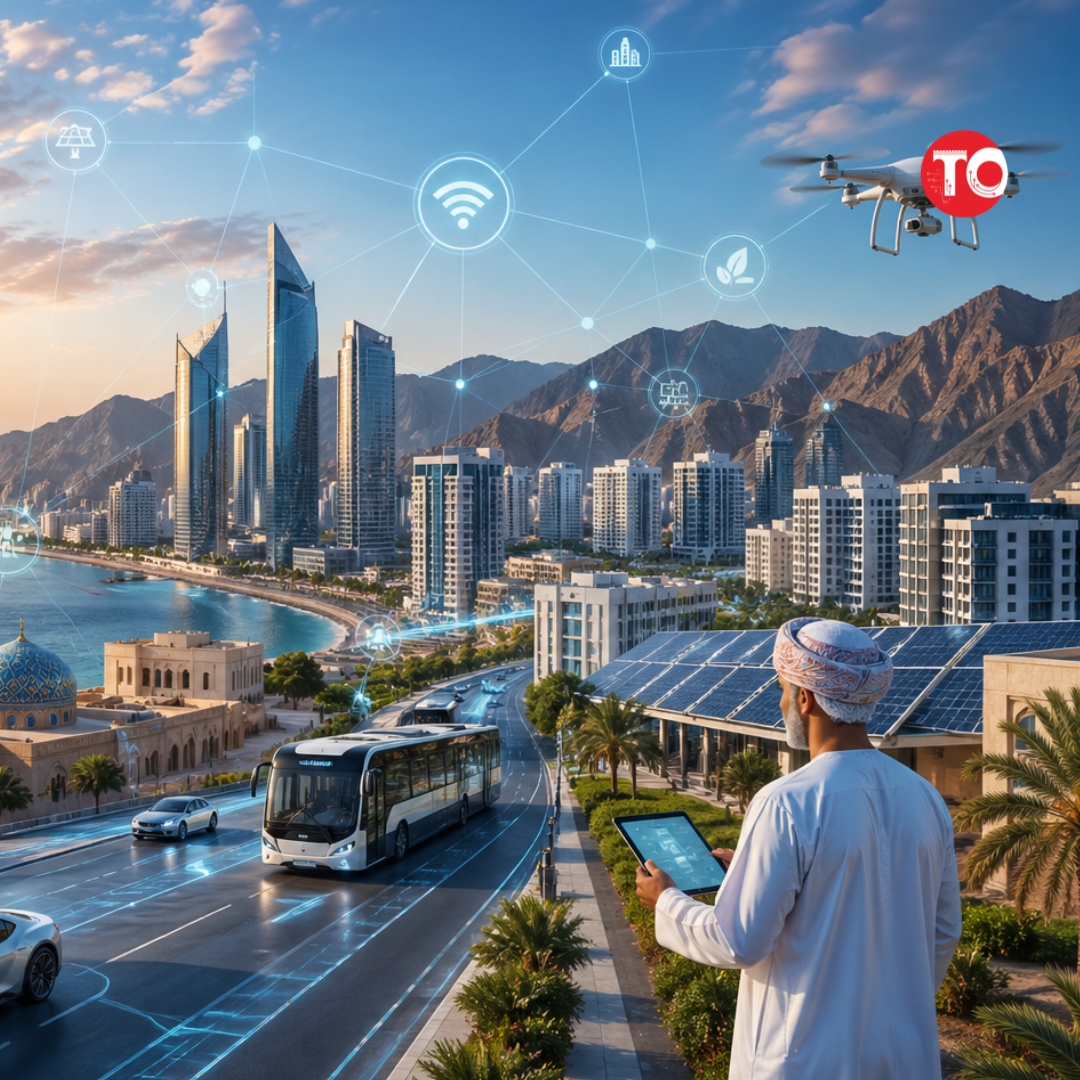
Across the Gulf region, cities are changing fast. Governments are investing in technology to make urban life smarter, more efficient, and more sustainable. Countries like the UAE and Saudi Arabia are leading large-scale smart city projects, using advanced systems powered by data, artificial intelligence, and the Internet of Things (IoT).
This raises an important question: Is Oman ready for this next urban revolution?
What is a Smart City?
A smart city uses technology to improve how the city works and how people live. It connects systems like transport, energy, water, and public services through digital platforms.
For example, smart traffic systems reduce congestion, smart meters manage electricity usage, and digital services allow residents to access government services easily.
The goal is simple:
Make cities more efficient, sustainable, and comfortable for people.
Smart Infrastructure in Oman
Oman has already taken important steps toward building smarter cities, especially in Muscat.
The government has been investing in:
- Digital infrastructure
- E-government platforms
- Smart utility systems
- Improved telecommunications networks
Projects like Oman Vision 2040 focus on modernization, innovation, and sustainability. Roads, airports, and urban planning are being upgraded to support future growth.
While Oman may not have mega smart city projects like NEOM in Saudi Arabia, it is taking a steady and practical approach, which fits its economic and cultural priorities.
The Role of IoT (Internet of Things)
IoT is a key part of smart cities. It connects everyday devices to the internet so they can collect and share data.
In Oman, IoT is starting to appear in areas such as:
- Smart parking systems
- Energy monitoring
- Traffic management
- Water resource management
For example, sensors can track traffic flow and help reduce congestion. Smart meters can monitor electricity use and help people save energy.
These technologies may seem small individually, but together they create a more responsive and efficient city.
Sustainability and Green Initiatives
Sustainability is a major focus for Oman. The country is working toward reducing its environmental impact while supporting economic growth.
Key initiatives include:
- Renewable energy projects (especially solar and wind)
- Sustainable urban planning
- Efficient water management systems
- Green building standards
New developments are being designed with sustainability in mind, ensuring that future cities are not only smart but also environmentally responsible.
Challenges Oman Faces
While Oman is making progress, there are still challenges to overcome.
One key challenge is investment. Smart city technologies require significant funding, and Oman is balancing development with economic realities.
Another challenge is integration. Building a smart city is not just about adding technology it’s about making different systems work together smoothly.
There is also a need for:
- Skilled talent in technology and data
- Strong digital policies
- Public awareness and adoption
Without these, even the best technologies may not deliver full value.
Is Oman Ready?
The answer is YES, but in its own way.
Oman is not rushing into massive, futuristic projects. Instead, it is focusing on gradual, sustainable progress. This approach reduces risk and ensures that developments are practical and aligned with national priorities.
Rather than trying to compete with larger Gulf economies, Oman is building a model that emphasizes:
- Stability
- Sustainability
- Long-term value
The Road Ahead
The future of smart cities in Oman looks promising. With continued investment in digital infrastructure, IoT, and sustainability, cities like Muscat can evolve into modern, efficient urban centers.
The real opportunity lies in alignment bringing together technology, policy, people, and infrastructure in a coordinated way.
If Oman continues on this path, it may not just follow the smart city trend it could create a balanced and sustainable model for the region.
Smart cities are not just about technology. They are about improving how people live, work, and interact with their environment.
Oman is taking thoughtful steps toward this future. While the journey may be slower than some of its neighbors, it is grounded in practicality and long-term vision.
And in the world of smart cities, that might just be the smartest approach of all.