




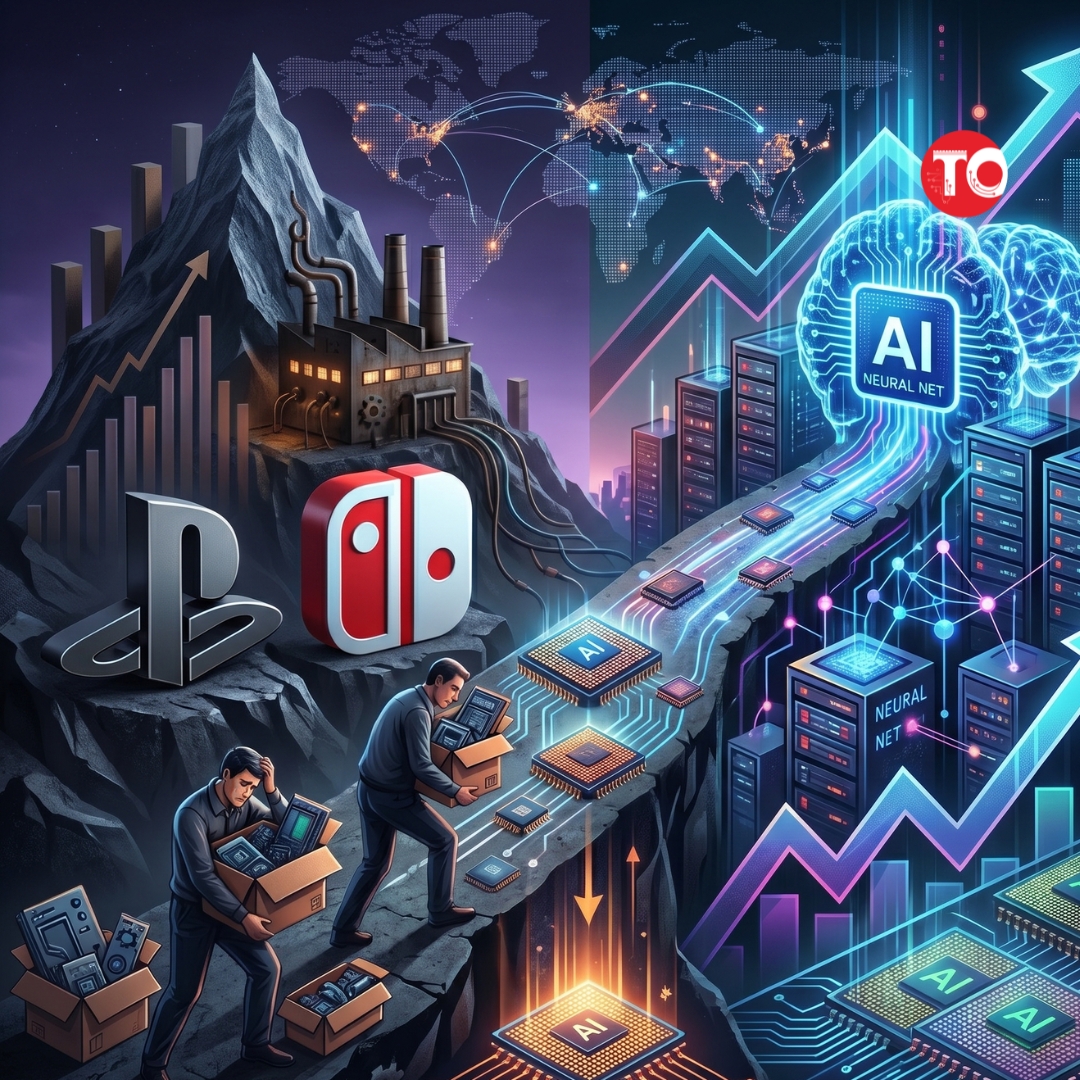
The global gaming industry is facing a significant financial hurdle as Sony and Nintendo grapple with a sharp increase in memory prices. This price surge is directly linked to the ongoing artificial intelligence boom, which has forced the world’s leading semiconductor manufacturers to prioritize high-margin AI chips over standard components used in gaming consoles. As companies like NVIDIA and Microsoft place massive orders for advanced memory, the supply available for traditional consumer electronics has tightened, creating a high-stakes competition for essential hardware.
The primary driver of this supply constraint is the shift toward High Bandwidth Memory (HBM) and specialized DDR5 modules required for AI data centers. Because these chips offer higher profit margins for manufacturers like Samsung and SK Hynix, production lines that once supplied the PlayStation 5 or the successor to the Nintendo Switch are being repurposed. For Sony and Nintendo, this means facing significantly higher procurement costs for the RAM and storage components that are fundamental to their hardware’s performance.
This memory crisis arrives at a sensitive time for both companies as they navigate different stages of their hardware lifecycles. Nintendo is currently ramping up production for its highly anticipated "Switch 2," while Sony continues to refine the manufacturing costs of the PS5 and its rumored mid-generation upgrades. Higher component costs threaten to either squeeze the profit margins on these consoles or, more likely, result in higher retail prices for consumers—a move that could dampen sales in a competitive entertainment market.
Beyond immediate pricing concerns, the AI boom is also creating a "latency" in the supply chain for the gaming sector. Even when Sony and Nintendo are willing to pay the premium prices, they often find themselves lower on the priority list than AI hardware giants. This leads to longer lead times for parts, potentially resulting in hardware shortages or delays in product launches. The situation highlights a growing trend where the gaming world is no longer the primary driver of semiconductor innovation, now taking a backseat to the demands of large-scale machine learning.
Industry analysts suggest that these supply pressures will likely persist through the late 2020s as AI applications continue to expand into every sector of the economy. To mitigate these risks, gaming companies may be forced to explore alternative suppliers or invest in new architectural designs that are less dependent on the most sought-after memory modules. Until then, both Sony and Nintendo must find a delicate balance between absorbing increased costs and maintaining an affordable entry point for their millions of players worldwide.