



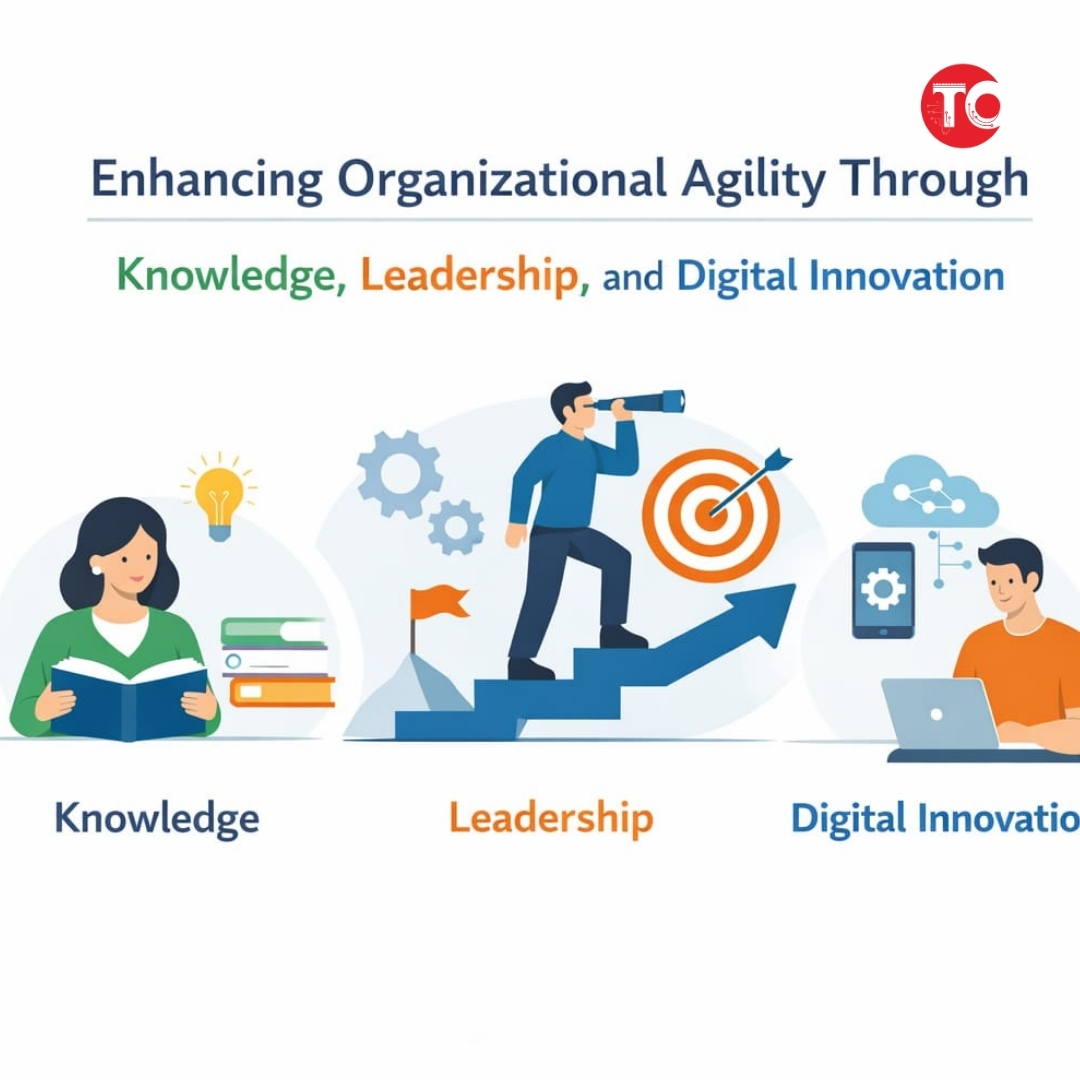
In today’s rapidly evolving financial landscape, organizational agility has become a critical capability for long-term success. Technological innovation, shifting customer expectations, and increasingly competitive markets are transforming how financial institutions operate. For banks and financial service providers, the ability to learn, adapt, and innovate quickly is no longer optional—it is essential.
One of the most effective ways organizations strengthen agility is by cultivating what management thinkers describe as a learning organization. These are institutions where knowledge flows freely, employees continuously develop new capabilities, and leadership actively encourages collaboration and innovation. In such environments, learning becomes embedded within everyday operations rather than confined to formal training programs.
This concept is particularly relevant in the financial sector as digital transformation accelerates. Technologies such as open banking platforms, digital client onboarding systems, and data-driven services are reshaping how institutions interact with customers. Successfully adopting these innovations requires more than technological investment. It requires leadership and knowledge systems that support continuous learning and adaptation.
Strategic leadership plays a central role in this transformation. Leaders who provide clear direction, empower teams, and encourage experimentation help create an environment where innovation can thrive. When employees feel supported in developing new ideas and improving their skills, organizations become more responsive to change and better equipped to address emerging challenges.
Equally important is the way knowledge is managed and shared across the institution. Modern financial organizations increasingly rely on collaborative knowledge networks, digital learning platforms, and cross-functional communication channels to ensure that expertise and insights circulate effectively. These systems help institutions respond faster to regulatory developments, customer expectations, and technological opportunities.
Customer-focused innovation also contributes significantly to organizational agility. Digital onboarding processes, open banking integrations, and personalized financial services are redefining the customer experience across global markets. Financial institutions that successfully integrate these capabilities often see stronger customer engagement, improved operational efficiency, and enhanced competitiveness.
However, building agile organizations is not without challenges. Resistance to change, technological complexity, and cultural barriers can slow transformation initiatives. Addressing these challenges requires thoughtful leadership, clear communication, and a commitment to building inclusive organizational cultures where employees feel engaged in the transformation journey.
For Oman’s financial sector, the opportunity is considerable. The country’s strong regulatory framework and growing digital infrastructure provide a solid foundation for innovation in banking and financial services. By combining strategic leadership with modern knowledge management practices, institutions can strengthen resilience while accelerating digital transformation.
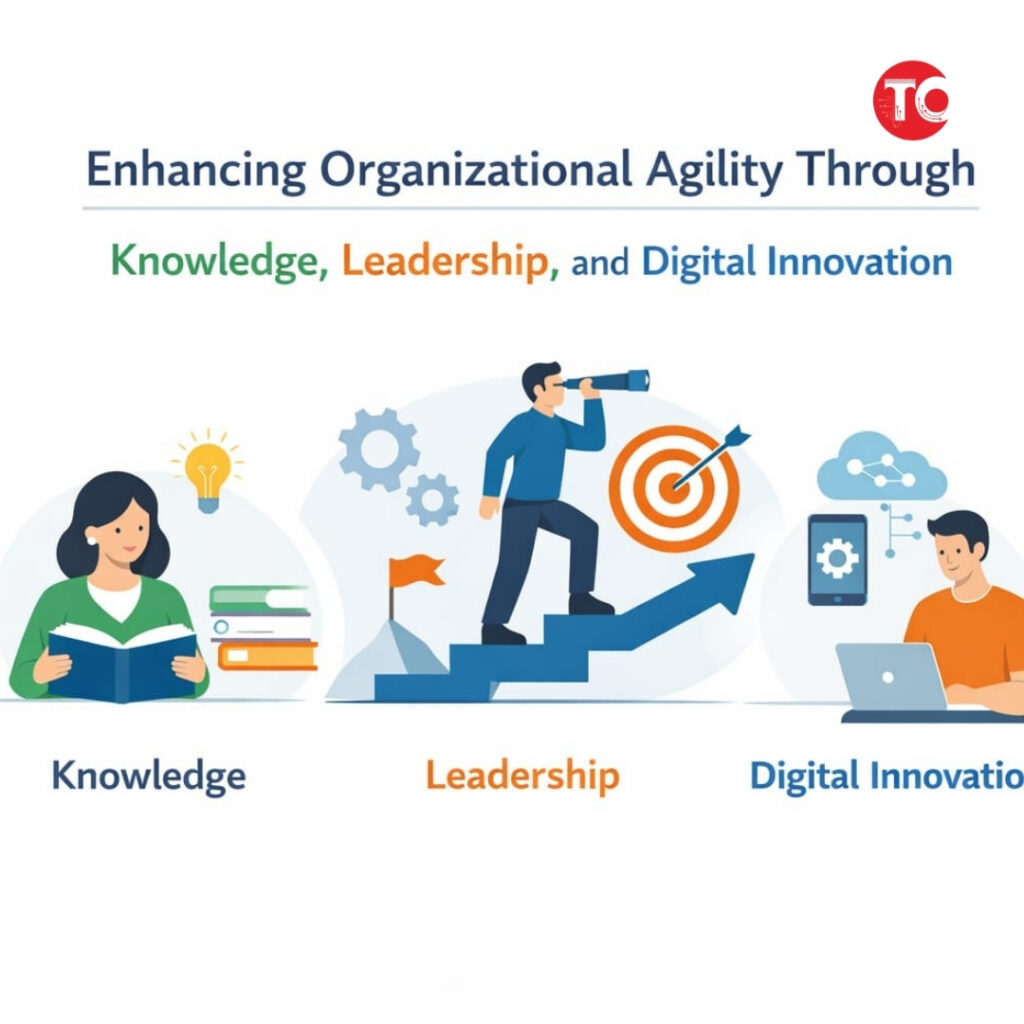
Ultimately, agility is not simply about adopting new technologies. It is about creating organizations that continuously learn, adapt, and evolve. Financial institutions that successfully integrate leadership, knowledge, and digital innovation will be better positioned to navigate uncertainty and deliver sustainable value in an increasingly dynamic financial environment.