




Why Digital Trust Is the New Currency of Business
A detailed exploration of the science, stakes, and stories shaping the future of digital security
A Story That Begins Like Yours
It was 7:43 on a Tuesday morning when James, the CEO of a mid-sized logistics company in Manchester, received the email. The subject line read: 'Invoice Payment Confirmation.' It looked exactly like the ones his finance team sent every week. Same logo, same formatting, same tone.
He clicked it without a second thought.
Within four hours, his company's bank account had been drained of £230,000. His IT systems were locked behind a ransom screen. His client database, five years of relationships, was in the hands of criminals somewhere across the world.
The attack wasn't sophisticated in the way most people imagined. There were no masked hackers hunched over glowing keyboards. There was just one well-crafted email, one moment of misplaced trust, and one very expensive mistake.
James is not alone. And if you run a business, manage a team, or simply work online, his story could easily become yours.
Why 2026 Is the Year Everything Changed
We are living through the most dangerous era in the history of digital business. Not because hackers have suddenly become smarter but because the world has become more connected, more automated, and more dependent on digital trust than ever before.
By the start of 2026, over 75 billion devices are connected to the internet globally, according to Statista. That is nearly ten devices for every person on earth. Each one is a door. And cybercriminals are trying every handle.
The IBM Cost of a Data Breach Report 2025 revealed that the average cost of a data breach has now reached a record $4.88 million, a number that has risen for five consecutive years. For small businesses, a single breach can mean permanent closure. For large enterprises, it can mean losing not just money, but something far harder to rebuild: the trust of their customers.
What Is Digital Trust, And Why Does It Feel Like Currency?
Think about the last time you entered your credit card number online. You didn't see the server room. You didn't verify the encryption. You simply trusted the padlock symbol in your browser and the reputation of the company behind it.
That moment of trust; quiet, invisible, and absolute is what makes the entire digital economy function. And in 2026, that trust has become as valuable as cash itself.
A landmark study by PwC found that 87% of consumers will walk away from a company following a data breach, even if no financial harm came to them personally. Not because they lost money but because they lost faith. Once trust is broken in the digital world, rebuilding it can take years and cost tens of millions.
Companies that invest in cybersecurity are not just protecting data. They are protecting the feeling that customers, partners, and employees get when they interact with your brand and believe: 'I am safe here.'
Digital trust is, in the most practical sense, your reputation. And your reputation is your revenue.
The Neuroscience of Trust: Why This Is So Personal
Here is where the science gets fascinating and deeply human.
When we trust someone or something, our brain releases oxytocin, often called the 'trust hormone.' Research from neuroeconomics Paul Zak at Claremont Graduate University shows that organizations with high levels of trust among employees and customers see 50% higher productivity, 76% more engagement, and significantly lower staff turnover.
Now flip that. Trust is violated when a customer discovers their data was stolen, or an employee learns their company was careless with their personal records; the emotional response is not just disappointment. It triggers the same neural pathways as physical threat. People feel violated. Unsafe. Betrayed.
This is why cybersecurity is no longer just a technical issue. It is a psychological and relational one. It is about the emotional contract you hold with every person who interacts with your business, a contract that says: 'Your information is safe with us. We take you seriously.'
Building Digital Trust: What Business Leaders Must Do Now
The good news is that digital trust is not reserved for billion-dollar tech giants with armies of security engineers. It is built through consistent, deliberate choices that any business of any size can begin making today.
Security is a culture, not a product. The Verizon Data Breach Investigations Report 2024 confirmed that 68% of all breaches involve a human element, a click on a phishing link, a weak password, and a misconfigured system. This means your most powerful cybersecurity tool is not software. It is your people. Training employees to recognize threats, question suspicious messages, and follow secure practices is the single highest-return investment any organization can make.
Transparency builds loyalty. Research by Edelman's Trust Barometer (2025) found that companies who communicate openly during a security incident rather than hiding it retain up to 40% more customers than those who go silent. People can forgive mistakes. They rarely forgive dishonesty.
Certifications signal seriousness. Standards like ISO 27001, SOC 2, and Cyber Essentials Plus are not just technical tick-boxes. They are public declarations that your business takes security seriously. In B2B markets, these certifications are fast becoming a prerequisite for contracts.
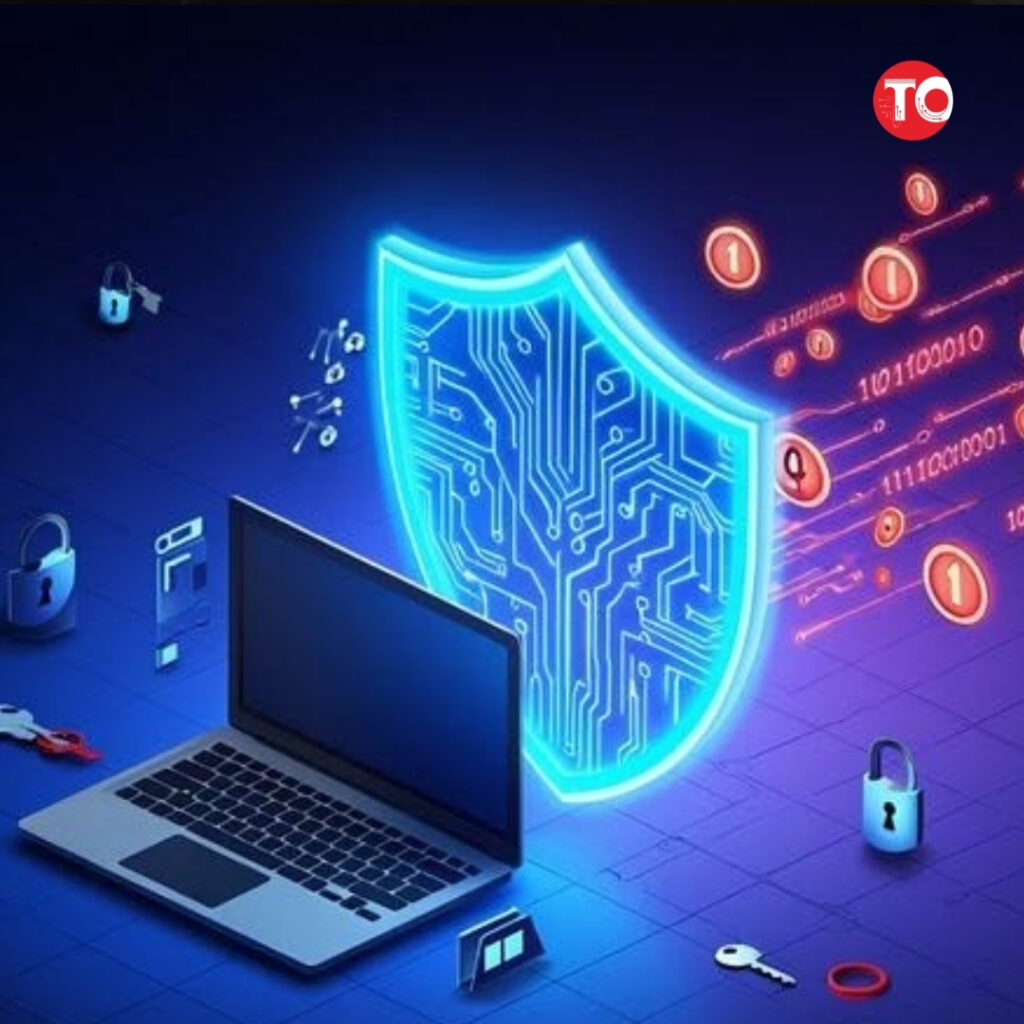
Zero Trust Architecture is the new standard. The old model assumed that everything inside your company's network was safe. Zero Trust assumes nothing is and requires verification at every step. Microsoft, Google, and the US federal government have all adopted Zero Trust frameworks as their baseline security posture.
But What About Small Businesses?
If you are a small business owner reading this, you might be thinking: 'This sounds like a problem for big corporations.' It is not.
Verizon's DBIR reports that 46% of all cyberattacks target small businesses precisely because criminals know smaller companies often have weaker defenses and less awareness. Yet a single breach can cost a small business an average of $200,000, enough to force 60% of affected small businesses to close within six months, according to the National Cyber Security Alliance.
The steps to protect yourself are not all expensive. Multi-Factor Authentication (MFA) alone blocks 99.9% of automated account attacks, according to Microsoft. Regular backups, strong password policies, and employee awareness training cost very little compared to the alternative.
Digital trust is not a luxury. It is survival.
A Promise Worth Making
Here is the truth that every business leader, entrepreneur and every manager should sit with who oversees people's data:
The customers who trust you with their names, emails, financial records, and personal information are doing something profoundly vulnerable. They cannot see where their data goes. They cannot watch over your systems. They are placing quiet faith in your character and your competence.
That trust deserves a promise. Not a legal disclaimer buried in your privacy policy. A real commitment to invest in protection, to train your teams, to be transparent when things go wrong, and to treat every person's data as though it belongs to someone you care about. Because it does.
The businesses that will lead in the next decade are not the ones with the biggest marketing budgets or the most aggressive growth strategies. They are the ones that kept their promises, the ones that people felt safe with.
Make that your competitive advantage. Make it your identity. Decide, today, that digital trust is not a department in your company. It is the foundation of everything you build.
A Final Reflection
James, the CEO from Manchester, we met at the start rebuilt his business. It took fourteen months, a new security infrastructure, painful conversations with clients, and a complete overhaul of how his team handled data. He told me something that stayed with me:
"I thought cybersecurity was IT's problem. I was wrong. It was everyone's problem and it started with me."
That shift in thinking from 'cybersecurity is someone else's job' to 'this is my responsibility as a leader' is the most important transformation any organization can make in 2026.
The hackers are not going away. The threats are not getting smaller. But neither is the human capacity for resilience, learning, and building things that are worthy of trust.
The question is not whether a cyberattack will find your door. In today's world, it very likely will. The question is: when does it happen, will your people be ready? Will your systems hold? And will your customers still believe in you on the other side?
That belief earned through consistent care and commitment is the most powerful currency in digital business today. Guard it accordingly.