




SpaceX's massive Starship vehicle came within a second of blasting off on its highly anticipated Flight 13 test mission before an automated computer system suddenly halted the launch sequence directly on the pad. The upgraded Starship Version 3 rocket, standing at an impressive 407 feet tall, was scheduled to lift off from the company’s primary spaceport facility near the Texas-Mexico border. However, just as the 33 main Raptor 3 engines on the heavy booster stage began their staggered ignition sequence amidst massive clouds of smoke and vapor, the vehicle's internal safety parameters initiated an immediate shutdown, anchoring the giant rocket firmly in place.
Following the dramatic last-second scrub, the launch team quickly transitioned into emergency offloading procedures to safely drain more than 5.2 million kilograms of supercooled liquid methane and liquid oxygen from the rocket's propellant tanks. Real-time telemetry data broadcast during the official countdown indicated that four of the 33 newly upgraded Raptor 3 engines failed to ignite properly during the critical startup window. Because the launch control software is designed to instantly override liftoff if even a minor propulsion anomaly is detected, the automated system worked exactly as intended to prevent a catastrophic pad explosion.
Company officials confirmed shortly after the scrub that a minimum of two problematic Raptor 3 engines will undergo complete removal and replacement by ground technicians over the coming days. This technical challenge means that a rapid turnaround launch attempt is out of the question, as engineers require adequate time to depressurize the massive fuel plumbing systems, access the lower engine manifold, and perform extensive diagnostic verifications. According to updated timelines shared by leadership, the team is currently targeting early next week for the next optimal launch window, contingent on successful hardware swaps and subsequent static fire evaluations.
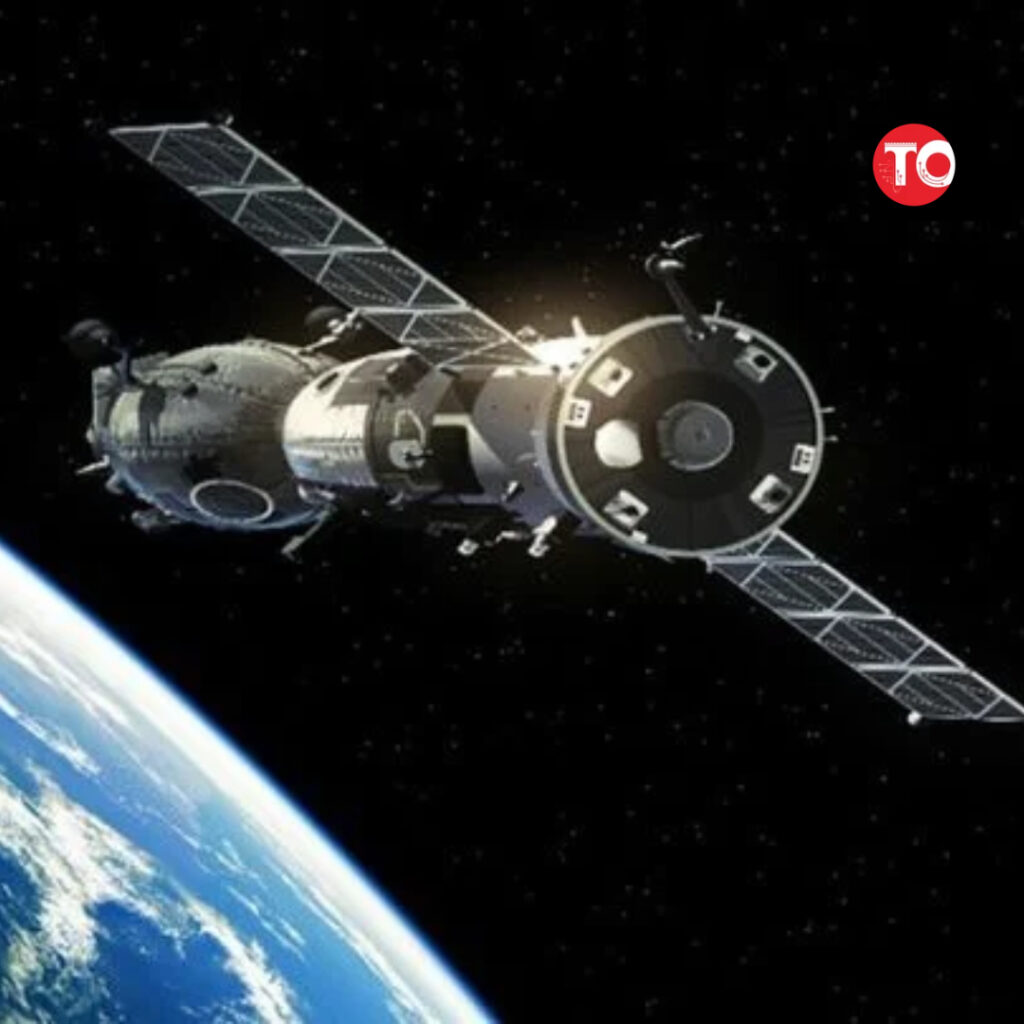
The aborted Flight 13 mission carries immense strategic weight, as it represents only the second full-scale test flight of the third-generation Starship architecture and its streamlined propulsion array. The payload tucked inside the upper stage consists of 20 advanced, next-generation internet satellites designed to test out orbital data capabilities before intentionally incinerating during atmospheric reentry after a short duration. Additionally, this launch marks a crucial operational step toward solving engine-sequence glitches identified during May's Flight 12, where microscopic timing delays during stage separation forced the booster into a rough emergency splashdown rather than a controlled pad return.
Beyond immediate commercial satellite deployment goals, achieving absolute reliability with the upgraded architecture is paramount for broader aerospace initiatives, including deep-space exploration and contract obligations for lunar landing systems. The successful optimization of these heavy-lift assets is a mandatory prerequisite for upcoming orbital refueling demonstrations that will eventually pave the way for human exploration of the Moon and Mars. While this sudden pad abort temporarily stalls operational momentum, the flawless execution of the automated safety abort sequence proves that the underlying platform protections are fully capable of protecting the invaluable launch infrastructure.