


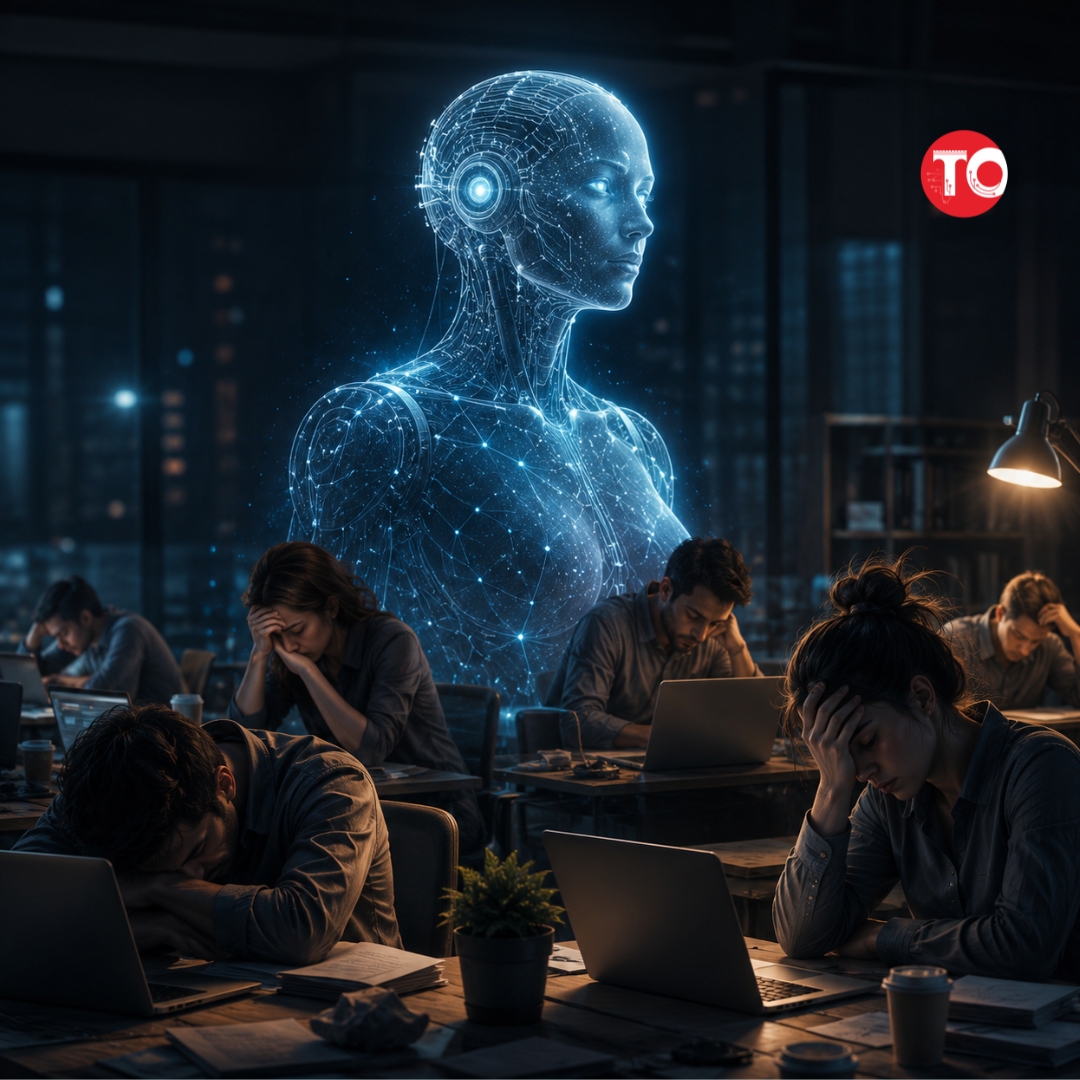
AI did not simply speed up work. It changed what people expect from work.
A few years ago, it made sense for a strong proposal to take me a week. I had to understand the client's needs, think through the scope, structure the solution, price it properly, and make sure the proposal reflected the quality of the work behind it.
Now, a proposal taking a week can feel unreasonable to people.
Because AI exists, everyone assumes the work should be instant.
The problem is that writing a proposal was never just a writing task. The writing was the visible part. The real work was always the thinking.
AI can help me write faster. It can improve wording, organize sections, and make the document look more polished. That is useful, but it does not replace judgment. It does not fully understand the client, the business risk, the pricing logic, or the quality standard I am trying to protect.
This is where the pressure starts.
The expectation has shifted from "AI should help you work better" to "AI should make you produce far more in the same amount of time."
That sounds efficient until you realize that the easiest part of many tasks has been automated first. The thinking part is still human, and it still takes energy.
This is why burnout feels different now.
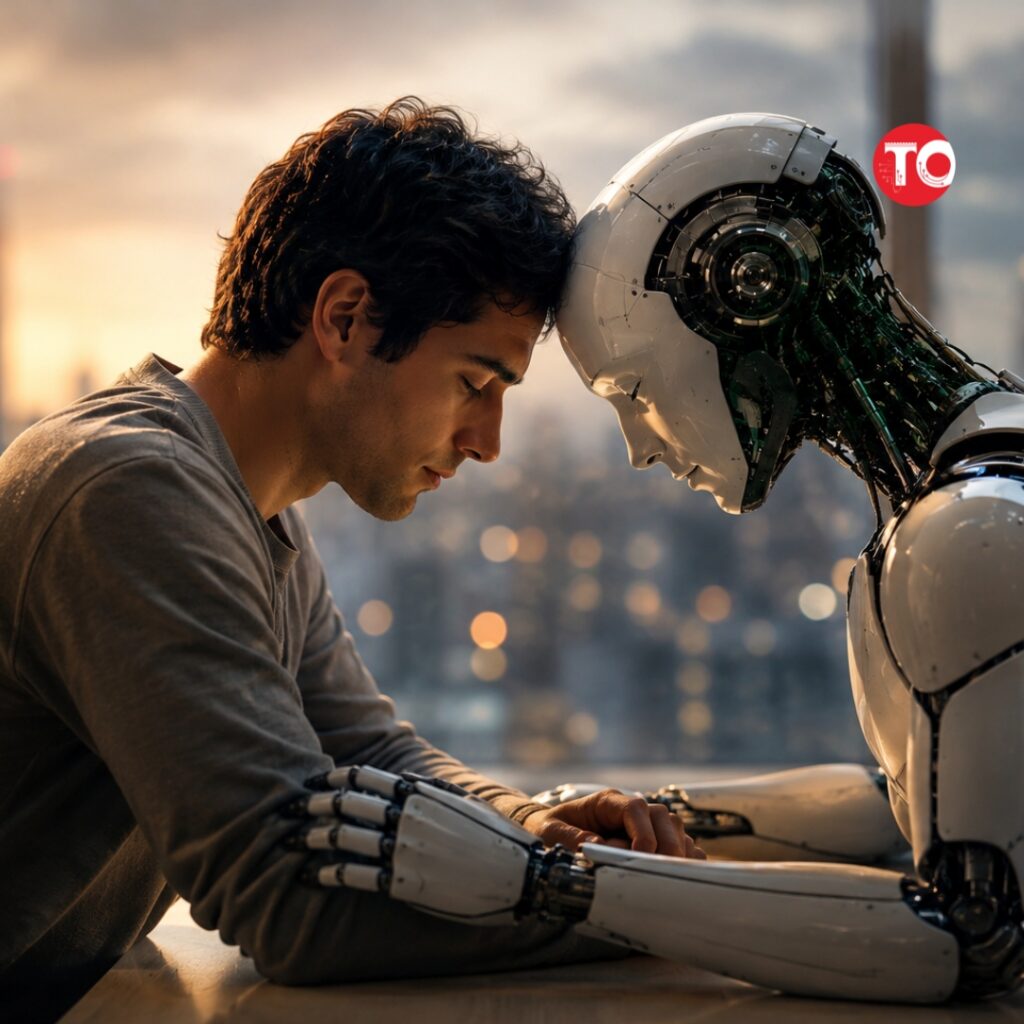
People who genuinely care about their work are being pushed to move at AI speed while still carrying human responsibility. They are expected to deliver faster, create better, respond sooner, and somehow remain original.
At the same time, the market's definition of "good" has changed.
Good now feels average. Very good feels expected. Anything merely polished is forgettable, because polished work has become easy to produce.
So the standard keeps rising.
Clients expect sharper ideas. Companies expect faster execution. Audiences expect stronger creativity. Employees are left trying to keep up with a bar that keeps moving.
Social media makes this even harder.
It fills the brain with other people's content, opinions, aesthetics, and achievements. After enough scrolling, you feel overstimulated, yet creatively drained. You have consumed so much that creating something original becomes harder.
Then AI adds another layer. Now everyone can generate acceptable work. Acceptable captions, visuals, proposals, campaigns, and plans are everywhere. The result is a flood of clean, professional, forgettable output.
So acceptable is no longer enough.
This is why companies that do not raise their standards because of AI will fall behind. Their competitors will move faster, communicate better, and deliver work that looks more advanced. The gap will not always appear immediately, but it will show in client expectations, internal productivity, and market relevance.
AI education for employees is no longer optional. It is part of modern professional literacy.
People need to learn how to use AI without losing their judgment. They need to know how to direct it, challenge it, improve its output, and still think for themselves.
The future does not belong to companies that simply produce more with AI. It belongs to companies that use AI to raise the quality of their work without burning out the people behind it.
AI raised the expectation for everyone.
Now the challenge is learning how to rise with it without pretending that human energy is unlimited.