




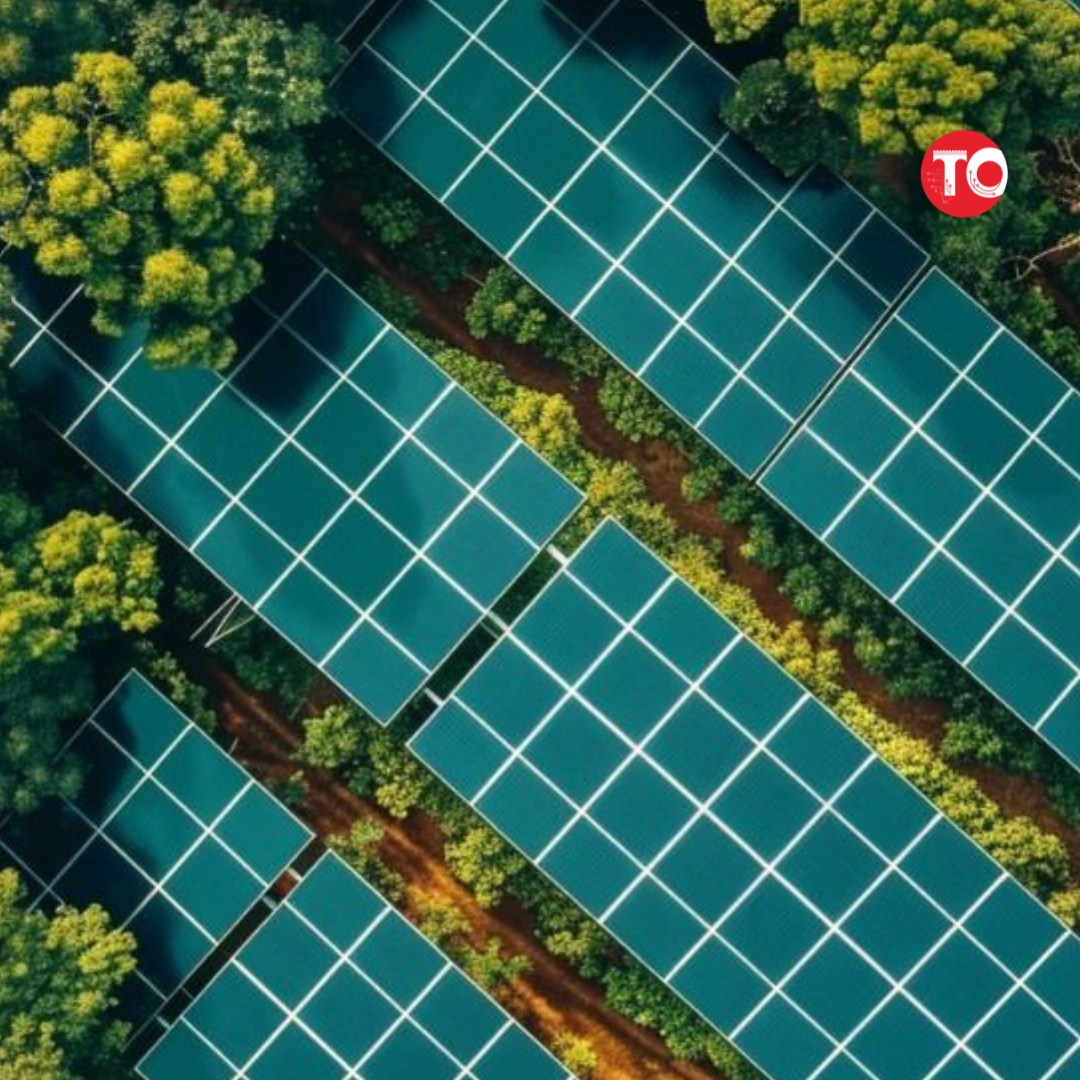
Farmers, livestock breeders, and fisheries investors across Oman are increasingly turning to solar power infrastructure to mitigate rising electricity costs and enhance operational sustainability. By capitalizing on the Sultanate’s abundant year-round sunshine, local producers are successfully decarbonizing their traditional energy frameworks. The shift represents a strategic pivot toward transforming heavy utility overheads into predictable, localized, and renewable energy assets.
The integration of photovoltaic (PV) technology is being used to power energy-intensive systems that are critical to maintaining food security in arid climates. Producers are deploying solar arrays to run deep-well irrigation pumps, automated feeding systems, and heavy-duty cooling units essential for livestock and catch preservation. Transitioning these systems away from the commercial grid or diesel generators allows operations to maintain consistent output while remaining insulated from global fuel price volatility.
A premier corporate example of this industrial shift is A'Saffa Foods, the Sultanate's largest fully integrated poultry production company located in the Dhofar Governorate. In collaboration with TotalEnergies, A'Saffa Foods inaugurated a massive 7 MWp solar plant at its Thumrait facility. Utilizing over 12,800 solar panels, the plant produces more than 16,500 megawatt-hours (MWh) of clean electricity annually—covering roughly 36% of the facility's total energy consumption and removing 6,250 tons of $CO_2$ emissions per year.
To systematically scale these green practices across smaller operations, the Ministry of Agriculture, Fisheries and Water Resources (MAFWR) has stepped in with structured regulatory and financial support. The Ministry, in partnership with Nafath Energy and the Development Bank, officially launched the "Solar Energy — Sustainable Harvest" initiative. This dedicated program provides targeted, interest-free, or low-interest financing of up to RO 15,000 via the digital Tharawat platform, enabling full-time and part-time farmers to install solar systems and slash their summer electricity bills by up to 30%.
Ultimately, these combined private investments and ministry-backed frameworks are proving that renewable adoption is both environmentally responsible and highly practical. By modernizing local farms, hatcheries, and fisheries into self-sustaining, solar-powered hubs, Oman is reducing its agricultural carbon footprint. This transition builds a far more resilient, climate-shielded, and economically viable food production landscape that directly matches the sustainable infrastructure goals of Oman Vision 2040.