



For decades, financial institutions were engineered around products. Accounts, loans, cards, and investment services defined how banks operated, competed, and measured success. Scale, balance sheet strength, and market share were the dominant indicators of performance.
Today, that paradigm is being fundamentally redefined.
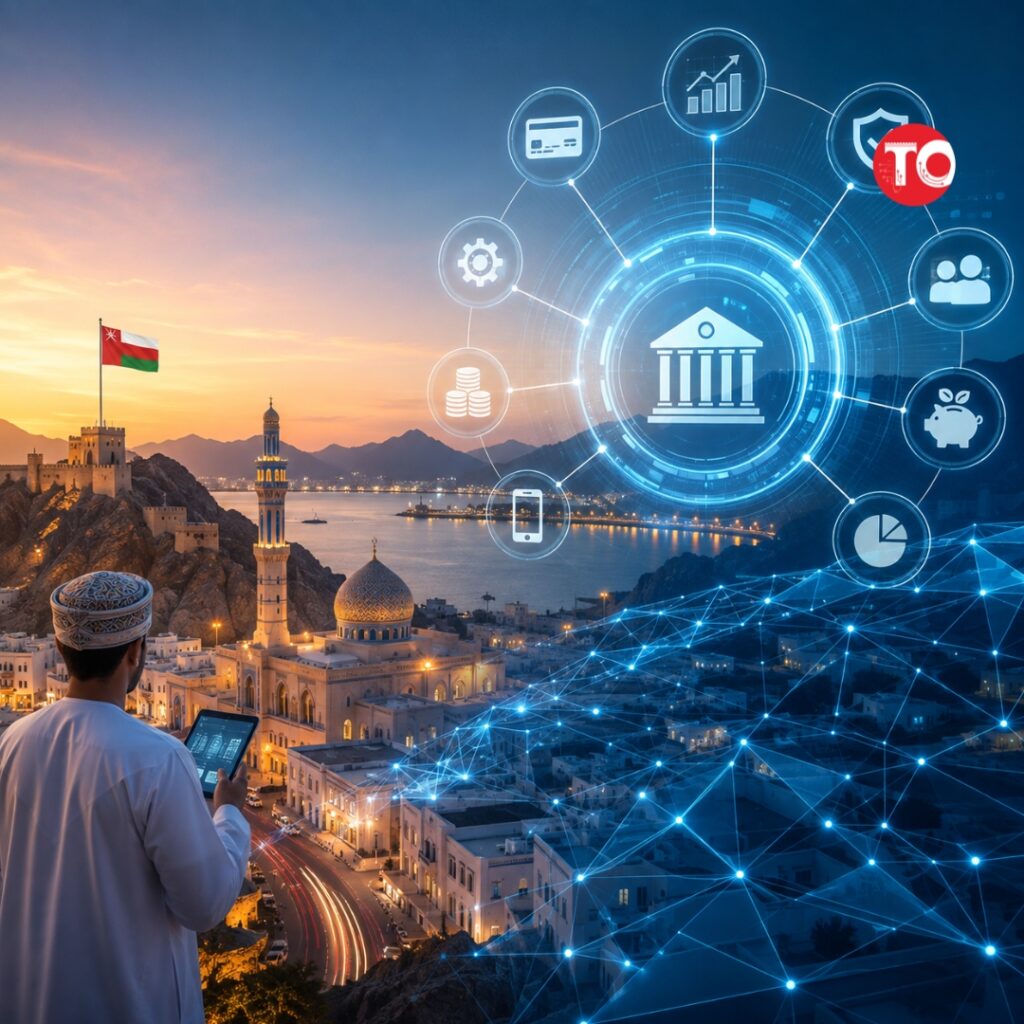
The future of financial services is no longer anchored in products. It is being shaped by ecosystems — dynamic, interconnected environments where value is created through participation, integration, and continuous interaction rather than isolated transactions.
This shift represents more than a technological evolution. It reflects a structural transformation in how value itself is understood. Financial services are no longer consumed as standalone offerings; they are increasingly embedded into broader economic and digital journeys — seamlessly integrated into commerce, lifestyle, and business operations.
From my experience in financial institutions, the most impactful transformations are not those that optimize individual functions. They are the ones that redesign how value flows across the system — connecting customers, enterprises, platforms, and partners into a unified and adaptive ecosystem.
In this model, a financial institution is no longer defined by what it owns, but by what it enables.
Banks are evolving from service providers into orchestrators of value — platforms that facilitate interactions, enable innovation, and extend capabilities beyond traditional boundaries. This requires a shift from control to collaboration, and from internal optimization to external integration.
“The next generation of financial institutions will be defined not by the products they control, but by the ecosystems they orchestrate.” However, ecosystems do not scale on connectivity alone. They scale on trust.
As institutions open their architecture through APIs, partnerships, and digital platforms, the complexity of managing risk increases significantly. Data governance, cybersecurity, regulatory alignment, and operational resilience become essential to sustaining ecosystem integrity.
For Oman, this transition presents a strategic inflection point.
The financial sector is supported by strong regulatory frameworks and a clear national vision for digital transformation. By adopting an ecosystem-driven model, institutions can play a pivotal role in enabling economic diversification — connecting SMEs, fintech innovators, government services, and consumers into a more integrated and resilient financial environment.
This aligns directly with Oman Vision 2040, where innovation, inclusion, and sustainable growth are key priorities.
The transition from products to ecosystems is not a technology upgrade. It is a shift in mindset. It requires leadership that understands systems, not just services, and strategy that extends beyond organizational boundaries.
In the emerging financial landscape, competitive advantage will not come from offering more products. It will come from enabling more possibilities. In a connected economy, value is no longer created in isolation, but through intelligent, trusted, and continuously evolving ecosystems.