



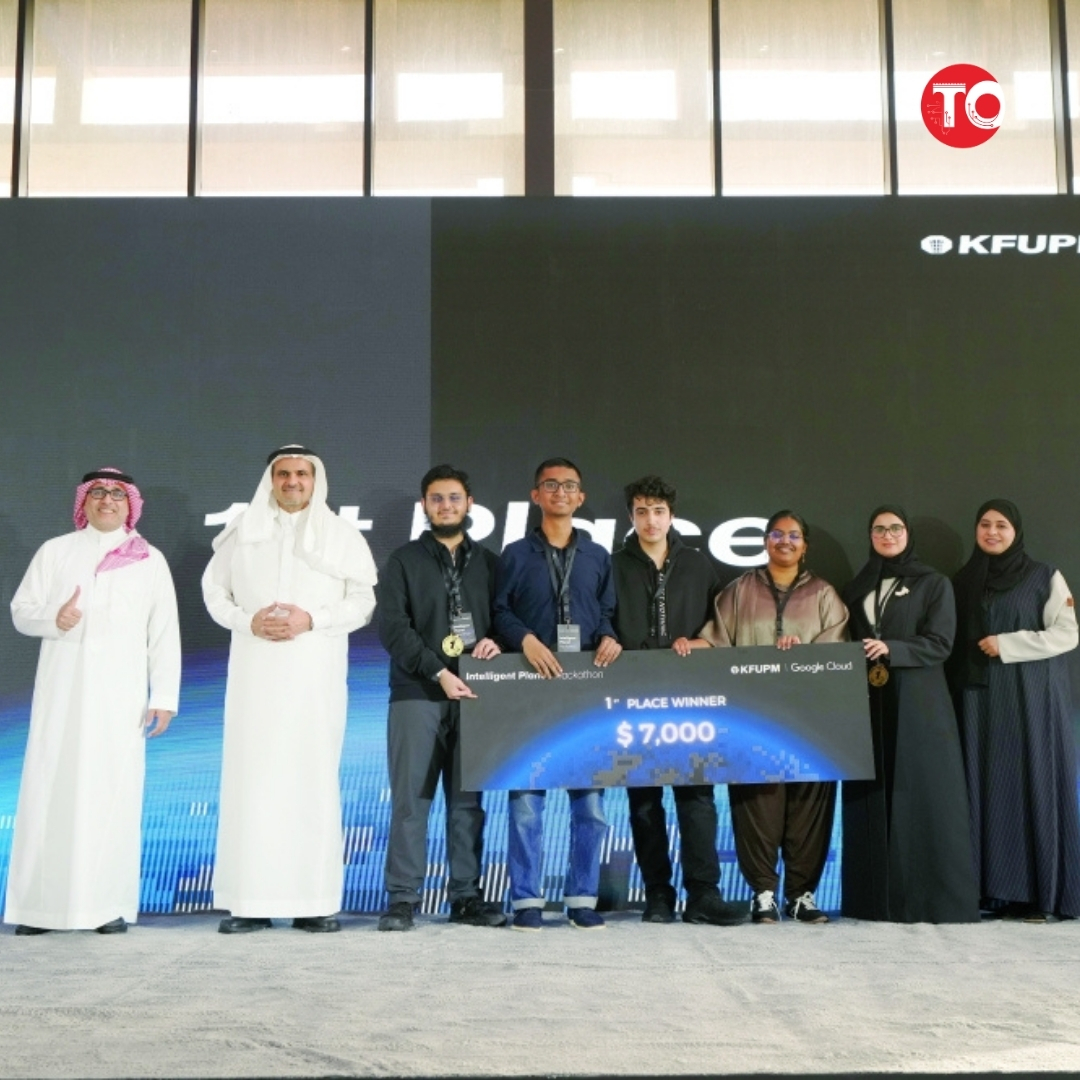
Students from Sohar University have achieved a remarkable international milestone by winning first place at the Intelligent Planet Hackathon in Saudi Arabia with their project, Manara. The AI powered platform is designed to improve crowd safety during large scale events.
The competition was highly challenging, bringing together more than 500 teams and 2,000 innovators from over 200 universities across 45 countries. Among this global pool of talent, the Sohar University team stood out as the overall winner. They were also the only finalist representing the Sultanate of Oman.
Manara gained attention for its innovative approach to managing crowds. Instead of relying on traditional reactive monitoring, the system focuses on predicting potential risks before they happen. Using advanced machine learning technology, it can anticipate changes in crowd density and possible hazards between 15 and 60 minutes in advance.
This early warning feature allows authorities to take preventive action against dangerous situations such as stampedes, heat related incidents, or logistical challenges during major events, including large religious gatherings and international occasions.
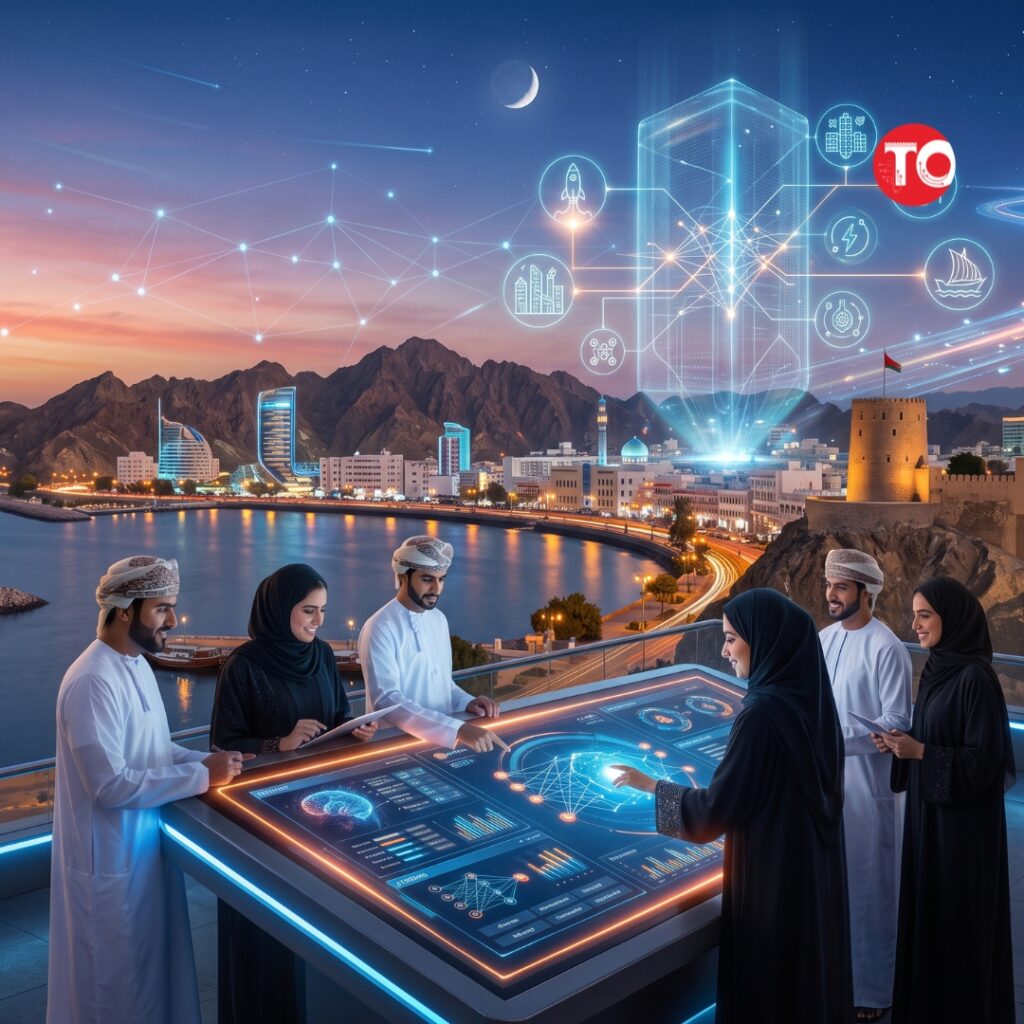
The platform operates through two connected components. The first is a smart control dashboard designed for authorities and event organizers, while the second is a mobile application called Personal Guardian that offers visitors real time guidance. By analyzing factors such as crowd density, air quality, and extreme heat, Manara provides a comprehensive risk assessment that supports faster and more effective decision making.
Khalsa Al Jahwari, the team spokesperson, said the victory reflects the growing capabilities of young Omani innovators. She explained that winning at a global level represents not just a personal success for the team, but a proud moment for Oman. She described Manara as more than a technical project, calling it a humanitarian solution aimed at protecting lives. According to her, the achievement shows that Omani youth can compete internationally in the fields of artificial intelligence and innovation.
Judges commended the project for its strong concept and practical relevance, describing it as a promising example of future smart city technology. In addition to enhancing safety, the system has the potential to deliver economic benefits by reducing waiting times, improving crowd flow, and supporting a religious tourism sector valued at more than 40 billion dollars.
This accomplishment marks an important step forward for academic and technological innovation in Oman, showcasing the increasing global presence and potential of the nation’s young talent in artificial intelligence and advanced technology solutions.